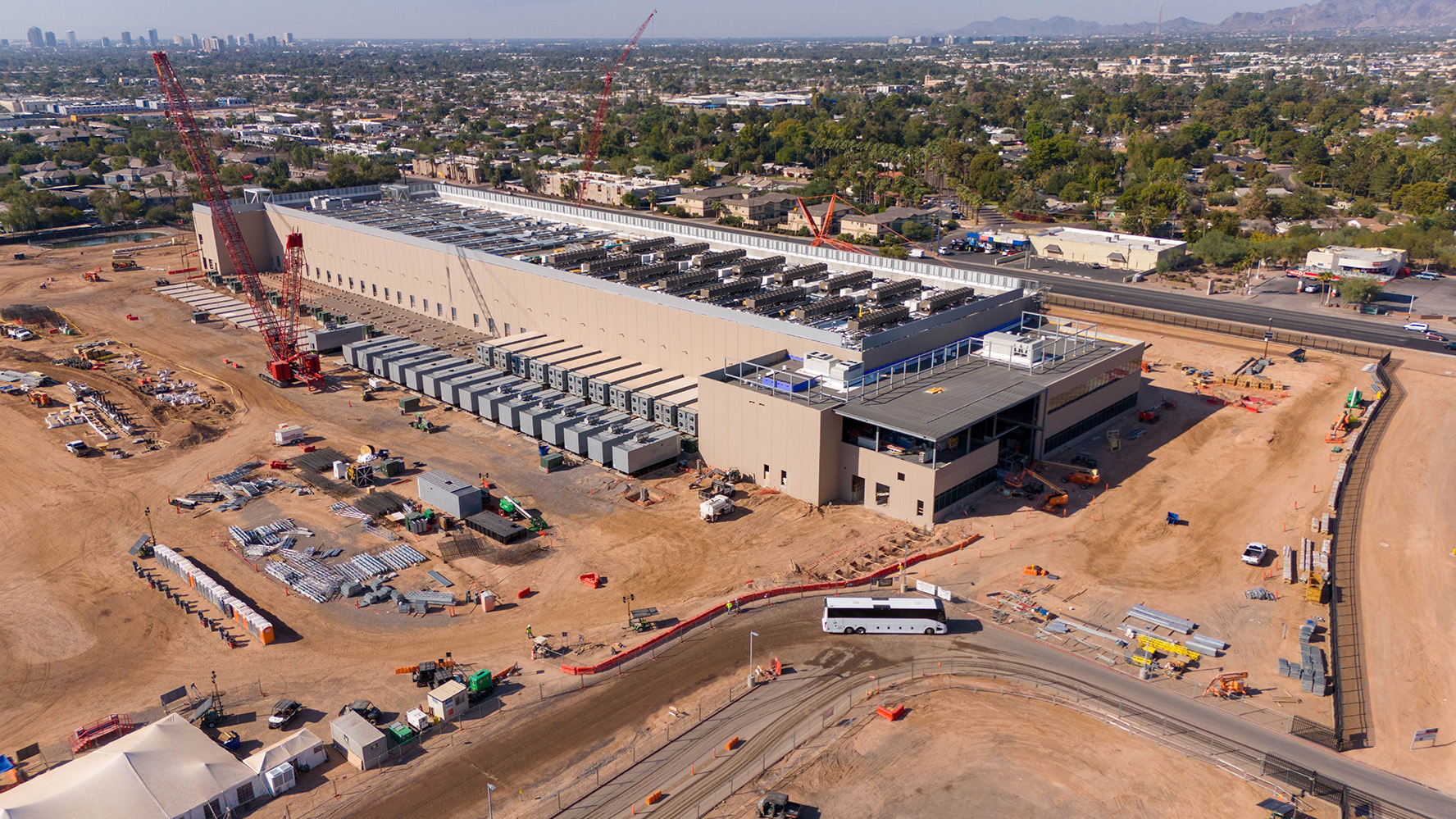
The Unprecedented Surge: Fueling the Data Center Boom
The digital age, accelerated by the relentless march of artificial intelligence (AI), has ignited an unprecedented data center boom worldwide. From powering everyday applications to enabling cutting-edge generative AI models, these digital fortresses are the unseen engines of our modern economy. Currently, the United States alone houses an estimated 8,000 data centers, with construction surging at an all-time high, exemplified by Northern Virginia's staggering 40 percent year-over-year growth in data center development. This rapid expansion, while vital for technological progress, is simultaneously exposing a complex web of challenges, pushing the physical, environmental, and political limits of our infrastructure.
As tech giants race to build the foundational infrastructure for AI, the sheer scale of demand is creating significant friction. What was once a largely behind-the-scenes industry is now front and center in community debates, regulatory discussions, and national infrastructure planning. The core hurdles emerging from this explosive growth include an insatiable demand for power, intense competition for land, and a rising tide of local community opposition. These interconnected issues are not just causing delays; they threaten to fundamentally reshape how and where data centers are developed.
Powering the Beast: The Gigawatt Dilemma and Grid Strain
Perhaps the most immediate and pressing challenge of the current data center boom is its astronomical energy consumption. Data centers are notorious energy hogs, with their power demands projected to double by 2026. Already consuming an estimated 2.5 percent of the nation's electricity, the growth rate driven by AI far outpaces typical expectations for new development. One gigawatt of power, for context, can energize approximately one million U.S. homes, and the industry is talking in multiples of this.
The implications of this demand are profound. Up to 11 gigawatts of data center capacity slated for 2026 remains in the planning stages with no visible construction, a staggering figure that highlights the bottlenecks. While some developers who secured power and equipment contracts early are rapidly bringing capacity online, the larger picture reveals significant strain on existing power grids. This strain manifests in several ways:
- Grid Infrastructure Shortages: The sheer volume of electricity required often exceeds the capacity of local grids. Upgrading transmission lines, substations, and other critical infrastructure is a time-consuming and costly endeavor, often subject to long lead times for specialized equipment.
- Rising Energy Prices: As demand skyrockets, local power prices can increase, leading to unrest among residents who increasingly blame data centers for their higher utility bills.
- Renewable Energy Integration: While many data center operators commit to renewable energy, sourcing and integrating gigawatts of clean power into existing grids presents its own set of logistical and financial challenges. Moreover, the intermittency of some renewable sources requires robust baseload power or advanced storage solutions, further complicating grid stability.
The collision of AI's needs with the physical limits of our power systems is a critical nexus point. Without innovative solutions and strategic investment, the pace of data center deployment could be severely hampered. For a deeper dive into this issue, read about AI's Power Problem: Why Data Center Growth is Straining Grids & Communities.
Strategies for Mitigating Power Challenges:
- Distributed Energy Resources: Exploring microgrids, co-located generation, and battery storage can reduce reliance on the main grid.
- Advanced Cooling Technologies: Innovations like liquid cooling and adiabatic cooling can significantly reduce the energy needed for thermal management.
- Proactive Utility Partnerships: Early engagement with utility companies for long-term power planning and infrastructure upgrades.
- Focus on Efficiency: Designing data centers for maximum energy efficiency from the ground up, utilizing cutting-edge hardware and software optimization.
Ground Wars: Land Use, Environmental Impact, & Local Pushback
Beyond power, the physical footprint of the data center boom presents its own set of formidable challenges. Data centers require vast tracts of land, often competing with other vital development types like residential housing or commercial spaces. This competition, coupled with unique zoning requirements, makes site selection a complex puzzle for planners.
However, the challenges extend far beyond mere land allocation. Communities are increasingly vocal about the environmental and quality-of-life impacts of large-scale data center developments:
- Noise Pollution: The constant hum of cooling equipment, essential for maintaining optimal operating temperatures, can be a significant source of noise pollution for nearby residents, disrupting tranquility and peace.
- Light Pollution: Large data center campuses, often operating 24/7, can contribute to light pollution, impacting local ecosystems and human sleep cycles.
- Water Consumption: Many data centers rely heavily on water for their cooling systems, especially in hotter climates. In drought-prone regions, this massive water demand creates fierce competition for resources and raises serious environmental concerns.
- Aesthetics: The industrial appearance of large data center facilities can be seen as an unwelcome addition to suburban or rural landscapes.
These tangible impacts are fueling a growing wave of community opposition, often culminating in proposals for moratoriums. In the past month alone, over ten new moratorium proposals have been tracked in U.S. states, including New York, Michigan, Virginia, and Oklahoma. This trend is expected to intensify, significantly increasing the risk of projects being delayed, withdrawn, or even canceled. While outright cancellations are still relatively rare (nine tracked so far), delays are becoming a widespread reality; more than a quarter of the 110 data center projects slated for last year faced postponements.
Navigating Community Opposition and Land Use:
- Transparent Community Engagement: Proactive communication with local residents and officials, addressing concerns before they escalate.
- Acoustic and Visual Mitigation: Investing in advanced noise-reduction technologies and thoughtful architectural design to blend facilities into the environment.
- Sustainable Water Practices: Implementing closed-loop cooling systems, using treated wastewater, or exploring air-cooling options where feasible.
- Economic Benefits & Workforce Development: Highlighting local job creation (for both construction and operations) and potential tax revenue, alongside investing in local training programs to bridge any workforce skill gaps.
- Strategic Site Selection: Prioritizing industrial zones, brownfield sites, or locations with robust existing infrastructure and minimal residential proximity.
Navigating the Future: Strategies for Sustainable Growth
The data center boom is not slowing down, but the pathway forward demands a more thoughtful, integrated, and sustainable approach. The mounting collisions from power constraints, land scarcity, and community pushback underscore the need for innovation not just in technology, but also in planning, policy, and public relations.
For the industry to continue its vital growth trajectory, a multi-faceted strategy is imperative:
- Integrated Planning: A collaborative effort involving data center developers, utility providers, local governments, and environmental agencies is crucial. Long-term energy forecasts, grid modernization plans, and zoned development areas specifically for digital infrastructure can preempt many future conflicts.
- Technological Innovation: Continued investment in more energy-efficient hardware, advanced cooling systems, and renewable energy integration technologies will be key to reducing the environmental footprint. Exploring modular data center designs can also offer greater flexibility and faster deployment in challenging environments.
- Community-Centric Development: Moving beyond simple compliance, developers must embrace a community-first approach. This includes genuine dialogue, offering local benefits (such as investment in local infrastructure or educational programs), and transparently addressing concerns about noise, water, and aesthetics.
- Policy and Regulatory Frameworks: Governments have a role in creating clear, predictable regulatory environments that encourage sustainable data center development while protecting community interests. This might include incentives for green data centers or clearer guidelines for resource allocation.
Conclusion
The global data center boom is an undeniable force shaping our digital future, but its rapid expansion comes with significant growing pains. The intertwined challenges of colossal power demand, competitive land use, and increasingly vocal community opposition are transforming what was once a niche industry into a focal point of urban and regional planning. As project delays mount and moratoriums gain traction, the industry faces a critical juncture. Success in this new landscape will hinge on proactive engagement, technological innovation, and a fundamental shift towards more sustainable and community-integrated development practices. Only by addressing these complex issues head-on can we ensure that the digital infrastructure essential for AI's promise can continue to grow responsibly and effectively.